
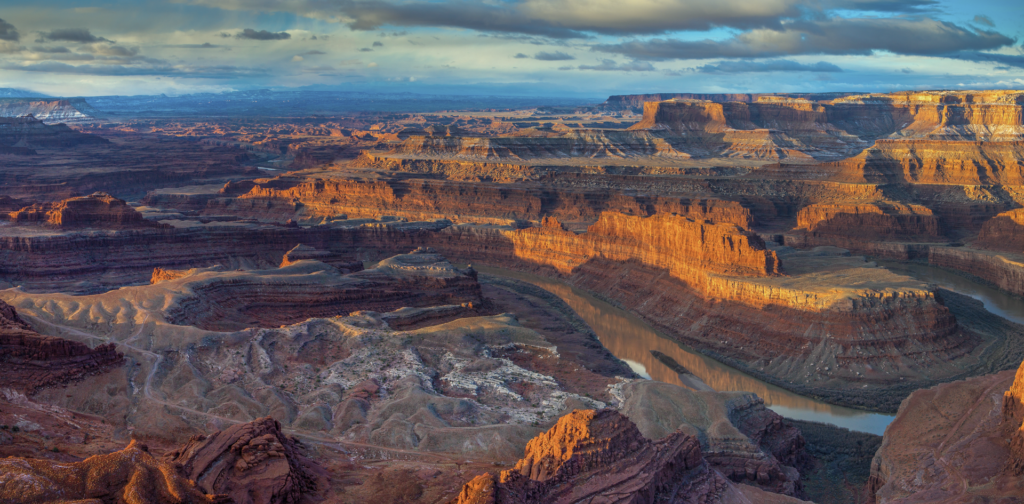
Las Vegas is known for its bright lights and lively entertainment. Yet, just beyond the city, some of the Southwest’s most memorable outdoor adventures await. From towering red rock formations to dramatic desert canyons, the region offers plenty of opportunities for groups to explore nature together.
Whether you are planning a family vacation or a company retreat, visiting nearby national parks and protected areas can add a new dimension to your trip. The key is choosing destinations that suit different fitness levels and travel schedules.
Here are five destinations in and around Las Vegas that make rewarding group outings, along with tips to help everyone enjoy the journey!
Explore the Red Rock Scenery of Zion National Park
Located in southwestern Utah, Zion National Park is a memorable destination for groups who enjoy dramatic landscapes and outdoor exploration. Its towering sandstone cliffs, winding canyon roads, and green river corridors create a striking contrast with the desert scenery around Las Vegas. Zion works well for groups with varied interests. Some visitors can enjoy the views from scenic stops, while more active travelers can explore hiking trails.
Riverside Walk is a popular option for experiencing the canyon without committing to a strenuous mountain hike. The Pa’rus Trail also offers a paved route with views of the Virgin River and surrounding cliffs. Before visiting, check current trail conditions and accessibility information.
For a group outing, plan time to visit the visitor center and stop for photographs. During shuttle season, personal vehicles are generally restricted from Zion Canyon Scenic Drive, so your group should review shuttle schedules and parking arrangements before arriving. The drive from Las Vegas typically takes around 2.5 to 3 hours, depending on traffic and your destination within the park. An early departure gives everyone more time to explore and reduces the pressure to fit every activity into one day.
Discover the Hoodoos and Scenic Overlooks of Bryce Canyon National Park
If your group wants to see an unusual landscape, Bryce Canyon National Park is worth considering. The park is famous for its tall hoodoos, irregular rock formations shaped by erosion. Their red, orange, and cream-colored layers create a dramatic setting for sightseeing and photography. Bryce Canyon is especially suitable for groups because visitors can enjoy its main viewpoints without committing to a long hike. Sunrise Point, Sunset Point, Inspiration Point, and Bryce Point provide different perspectives of the Bryce Amphitheater.
Those who prefer a gentle walk can explore portions of the Rim Trail, while more adventurous visitors can choose a longer route into the formations. A group visit can include a scenic drive and time to appreciate the views together.
Keep in mind that Bryce Canyon sits at a high elevation, generally between 8,000 and 9,000 feet. Some visitors may need extra time to adjust, especially if they are arriving from the lower elevations of Las Vegas. The drive from Las Vegas usually takes about four hours or longer, depending on road conditions and stops. Bryce Canyon is better suited to a full-day excursion with an early start or an overnight trip.
Enjoy Lakeside Scenery and Outdoor Activities at Lake Mead
Not every group outing needs to involve a long drive or a strenuous hike. Lake Mead National Recreation Area is close to Las Vegas and combines desert scenery with expansive water views. Although it is a national recreation area rather than a national park, it is an excellent option for groups looking for a more flexible outdoor excursion.
Depending on the season and conditions, visitors can enjoy scenic overlooks, shoreline stops, picnicking, boating, and other water-based activities. Some group members might prefer relaxing by the water, while others can explore nearby trails or visit viewpoints along the area’s roads. The variety makes it easier to plan a day that suits different ages and activity levels. A visit can also be combined with a stop near Hoover Dam, giving your group an opportunity to appreciate a major engineering landmark alongside the surrounding desert landscape.
Check access rules, parking details, and tour availability before travelling, as Lake Mead’s picnic areas are generally first-come, first-served. Arrive early if you want to use a specific area.
Many parts of the recreation area are within an hour of Las Vegas, depending on the entrance and destination. That shorter travel time leaves more room for meals, relaxed sightseeing, and conversation. For groups with limited vacation time, Lake Mead can provide an enjoyable outdoor experience without the demands of a long-distance road trip.
Experience the Grand Canyon’s Vast Views at the South Rim
Few natural landmarks are as instantly recognizable as Grand Canyon National Park. Its enormous scale and sweeping views make it a rewarding destination for families and organized travel groups. The South Rim is a popular choice for first-time visitors because it offers established visitor facilities and numerous overlooks.
Your group can begin at the visitor center and head to Mather Point for a first look at the canyon. Other viewpoints along the South Rim offer different angles, making it easy to spend time together without everyone needing to follow the same hiking plan. Some visitors may prefer a short, level walk along an accessible section of the rim, while experienced hikers can investigate longer trails after checking the conditions. The South Rim also offers opportunities to learn about the area’s geology, wildlife, and Indigenous history. A group can build a flexible itinerary around viewpoints and breaks for food and rest.
From Las Vegas, the drive to the South Rim generally takes around four to five hours each way. This makes an overnight stay a practical choice for many groups. If your schedule only allows a day trip, plan the stops carefully and allow enough time for the return journey. The West Rim is closer to Las Vegas, but it is not part of Grand Canyon National Park; it is operated by the Hualapai Tribe.
Explore Death Valley National Park’s Desert Extremes
For a different kind of adventure, Death Valley National Park offers immense desert valleys, colorful badlands, salt flats, and rugged mountain scenery. Its open landscapes feel worlds away from Las Vegas’ busy streets. Groups interested in photography and geology can find plenty to explore.
Zabriskie Point is a well-known stop for viewing the park’s sculpted badlands. Badwater Basin offers a look at a vast salt flat, while scenic roads let you appreciate the desert’s changing colors and formations. Death Valley also accommodates different travel styles. Some group members may prefer short walks and roadside viewpoints, while others may want to explore designated hiking routes in suitable weather.
However, the park’s extreme heat requires serious planning. The National Park Service advises against hiking at lower elevations during summer heat, and visitors should carry ample water, check forecasts, and avoid strenuous activities when conditions are unsafe.
Depending on the destination and route, the drive from Las Vegas can take roughly two to three hours or more. Leave early, fill the vehicle with fuel before entering remote areas, and check whether services are available along your planned route. For a group, a scenic driving itinerary with carefully chosen stops can be more comfortable than trying to cover the entire park in one day.
How to Plan a Smooth Park Trip for Your Group
A successful group trip starts with a realistic itinerary and reliable transportation. Choose destinations based on your available time and preferred activities. Zion, Bryce Canyon, and the Grand Canyon offer memorable canyon scenery, while Death Valley and Lake Mead provide different ways to experience the desert.
Transportation also deserves careful consideration. Coordinating several cars can complicate parking, arrival times, and travel plans. Bus or Sprinter van rentals offer a convenient way for groups to travel together, making it easier to coordinate stops and enjoy the journey. When choosing a rental vehicle, consider your group size and seating requirements. Items like backpacks, coolers, picnic supplies, and hiking equipment can take up considerable space, so make sure everyone has enough room to travel comfortably. Also review rental terms, mileage limits, pickup and return arrangements, and any restrictions that could affect your route.
Before leaving Las Vegas, map your journey, estimate driving times, and identify places to stop for meals and restroom breaks. Nearby destinations such as Lake Mead may suit a shorter outing, while Bryce Canyon and the Grand Canyon’s South Rim may require an early departure or an overnight stay.
With a suitable vehicle and a flexible itinerary, your group can spend less time coordinating transportation and more time enjoying the natural landscapes around Las Vegas.
Final Thoughts
Las Vegas offers access to an incredible range of outdoor destinations, from towering canyon walls to peaceful lakeside views. Choose the places that suit your group and leave enough time to enjoy the journey. With thoughtful planning, your next group getaway can become an experience everyone remembers.
Planning your next national park road trip from Vegas? Contact us today to rent a spacious Sprinter van to keep everyone comfortable and ready for adventure.
Frequently Asked Questions
Which national park is closest to Las Vegas?
Lake Mead National Recreation Area is one of the closest protected outdoor destinations, with some areas reachable in under an hour. Red Rock Canyon National Conservation Area is another nearby option for scenic drives and hiking, although it is not a national park.
Can you visit a national park from Las Vegas in one day?
Yes. You can visit Zion, Death Valley, and the Grand Canyon’s South Rim on long day trips, but the driving time can be considerable. Lake Mead is more convenient for a shorter outing, while Bryce Canyon is often better enjoyed with an overnight stay.
What is the best time of year for group visits to these parks?
Spring and fall often provide comfortable conditions for exploring many of the region’s parks.
What should a group bring on a national park road trip?
Pack water, snacks, sun protection, comfortable walking shoes, appropriate clothing, and a first-aid kit. Download maps before entering remote areas, since cellular service can be limited, and check park alerts before departure.
How can groups make national park travel easier?
Agree on the itinerary and departure time before the trip. Traveling together in a suitably sized vehicle can simplify coordination, reduce the number of vehicles to manage, and help everyone spend more time enjoying the destination.